
Sonogi Tea
A Century of Tea
Grown in the Mountains
Higashisonogi, Nagasaki Prefecture.
Across tea fields set into the mountains overlooking Ōmura Bay, Oyama Seicha-en (Oyama Tea Farm) has been growing and producing tea for more than a hundred years.
Today, the farm is led by Yoshitaka Oyama, its fourth-generation steward. What began with his great-grandfather has grown gradually over the generations — expanding its fields and shifting its methods over time, from pan-fired kamairicha to steamed tamaryokucha — refining, with each change, a way of making tea suited specifically to this land.
Generations change. Times change. What hasn't changed is the wish to bring people a better cup of tea, year after year.


What Oyama inherited wasn't only the tea fields. It was cultivation and processing techniques refined over decades, the trust his predecessors had built, and a deep pride in Sonogi as a tea-growing region. Building on that foundation, Oyama has continued to explore his own approach to tea-making as the farm's fourth generation.
Oyama Seicha-en's tea has won the Award of Excellence and the Minister of Agriculture, Forestry and Fisheries Prize in the general tea category of the Nagasaki Prefecture Tea Competition for two consecutive years, in 2024 and 2025. It has also placed among the top entries at the National Tea Competition — recognition of the quality the farm has built over generations.
But winning awards isn't Oyama's real aim. He handles everything himself — cultivation, processing, finishing roast, product development, and sales — staying close enough to hear directly from the people who drink his tea. Those conversations become part of how the next year's tea is made.
A simple “this was delicious” feeds directly into the next year's harvest. Closing the distance between the person who makes the tea and the person who drinks it is something Oyama Seicha-en holds as a core value.
Flavor Starts With the Soil
One of the things Oyama pays closest attention to is the soil that supports the tea plants themselves.
As heavy machinery compacts the ground and shifting weather patterns bring rain at the wrong times, the environment surrounding the tea fields keeps changing. In response, Oyama introduced bokashi fertilizer — a fertilizer made from ingredients fermented before being applied to the soil — making it easier for the tea plants to absorb nutrients and helping the soil itself recover its natural vitality.
It doesn't stop at the soil. The timing of pruning, protecting the plants, picking, and processing — Oyama weighs each decision carefully, pursuing the best possible tea for that particular year and that particular field.


Growing Together as a Region
Oyama's vision extends beyond his own fields to the future of Sonogi tea as a region.
Behind that lies a simple belief: one farmer alone making great tea doesn't lift the region as a whole.
He works alongside younger producers to share what makes Sonogi tea distinctive, learning from one another and raising quality together. As growers and tea merchants support each other and the region works collectively toward better tea, the name “Sonogi tea” itself gains value.
That effort now reaches beyond the region, and beyond Japan. Oyama co-founded FORTHEES with tea farmers from the area and helped establish a tencha processing facility, among other new initiatives aimed at bringing Sonogi tea to the world.
From the Misty Mountains
to the World
When Oyama introduces Japanese tea to people overseas, some are struck by how different it tastes from the tea they thought they knew.
“I didn't know tea could taste like this.”
That reaction points to something real: Sonogi tea, grown quietly in the mountains of Nagasaki, still holds possibilities the world hasn't discovered yet.
Fields tended for more than a hundred years. Soil nurtured, tea plants nurtured, and relationships between people nurtured alongside them — Oyama Seicha-en continues to build a new future for Sonogi tea.
From the misty mountains to the world.
A cup that could only come from this land, carried forward to the next generation — and out into the world.

Hojicha Tea Bags

Matcha RICH

Tamaryokucha Tea Bags

Tsuyuhikari Japanese Black Ted (Tea Bags)

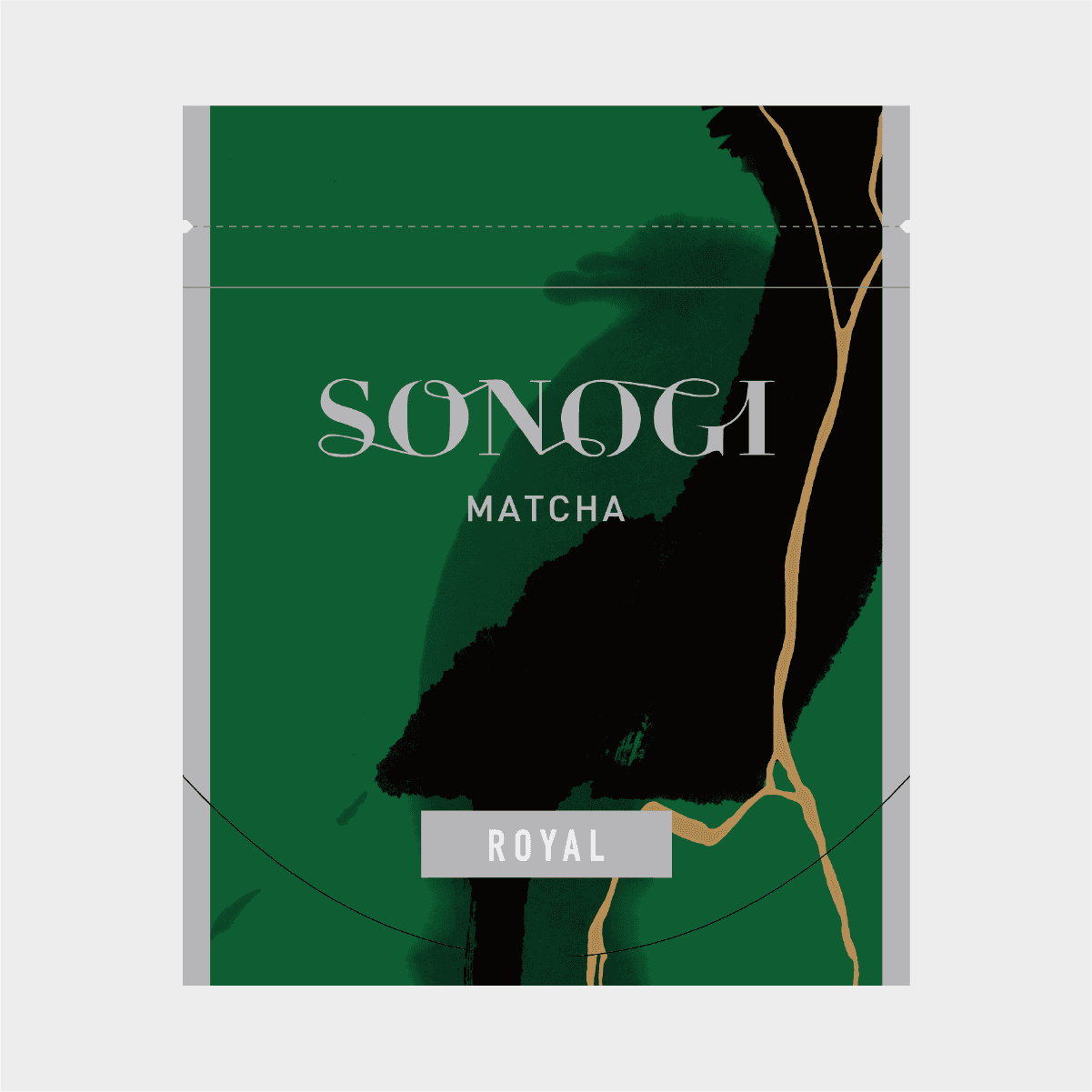
Matcha ROYAL
Genmaicha with Matcha (Tea Bags)
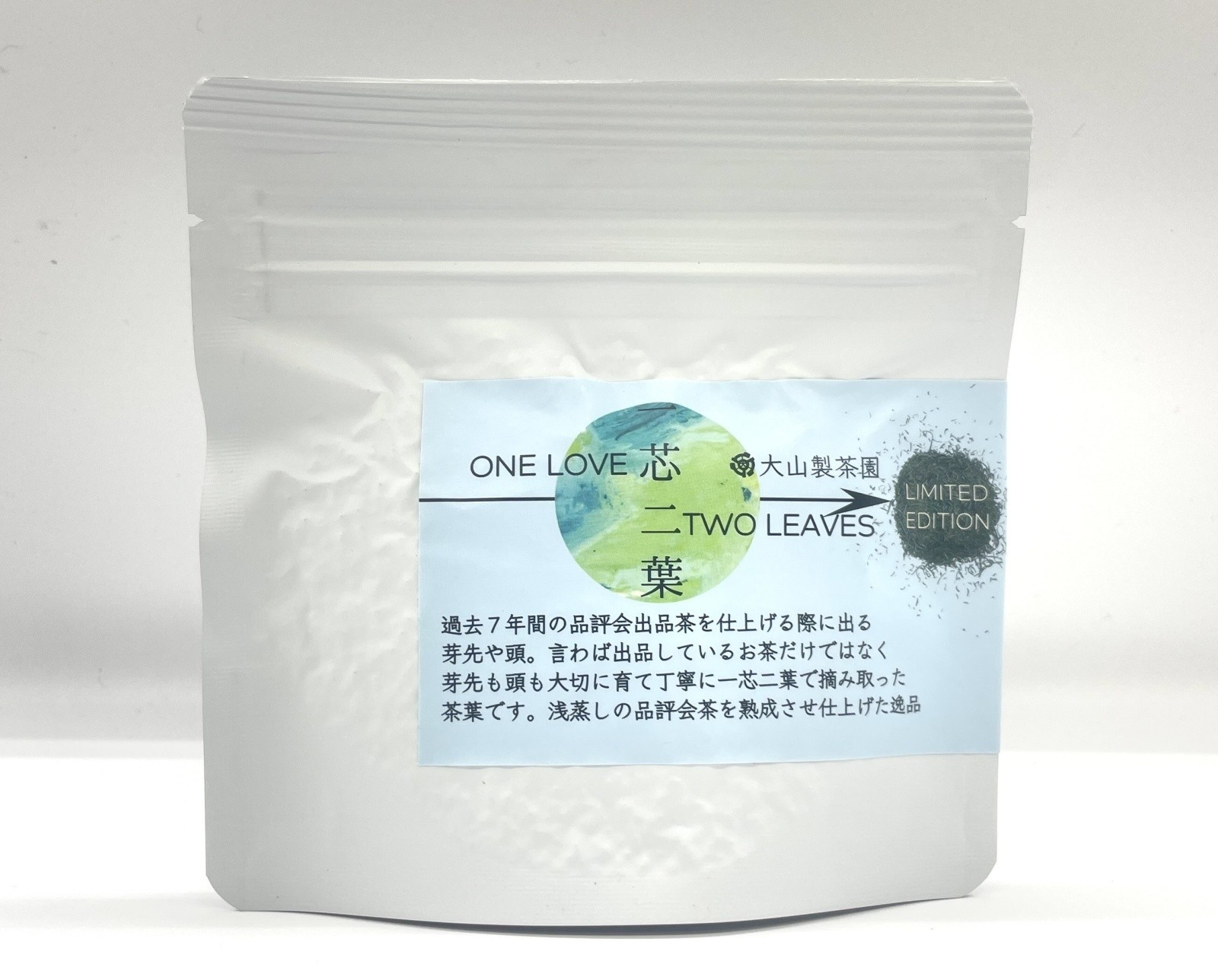
Isshin Niyo — Competition-Finished Tea
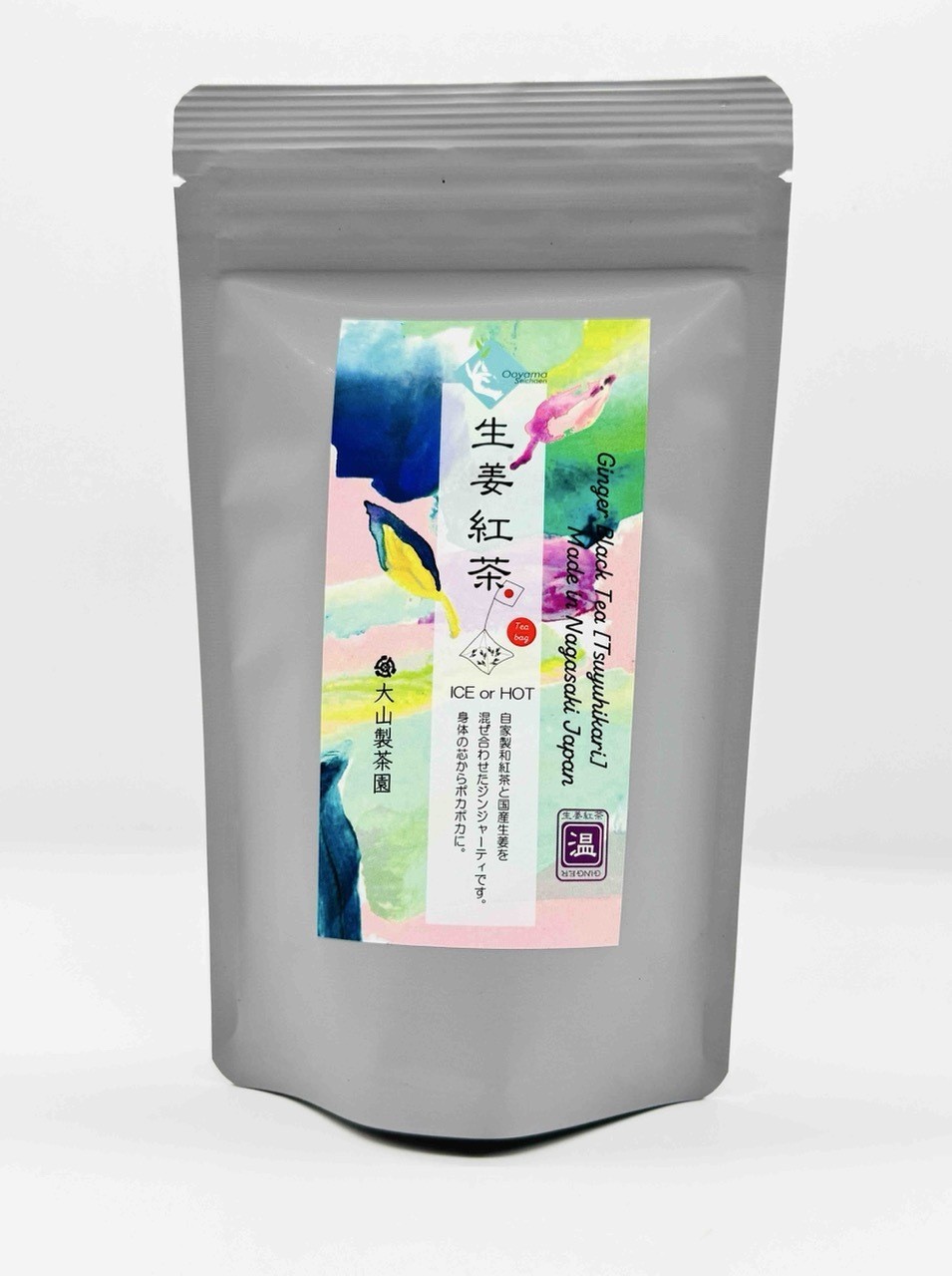
Ginger Black Tea Bags
Shin Saemidori

Kogen no Shizuku — Nagomi

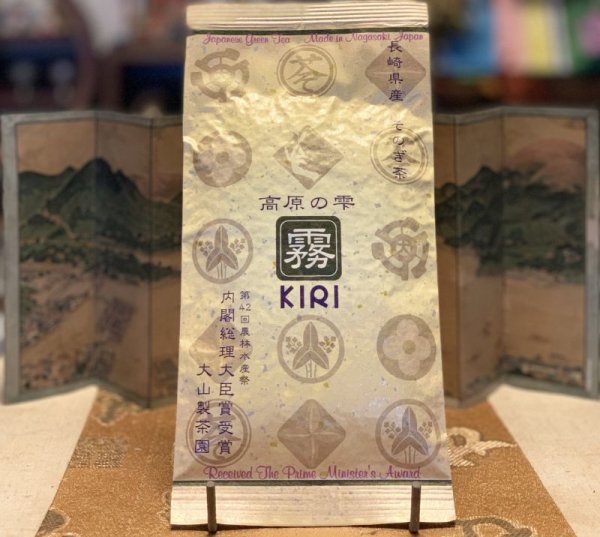
Kogen no Shizuku — Kiri
Kogen no Shizuku — Kine

Kogen no Shizuku — Iri

Kogen no Shizuku — 5-Tea Tasting Set

Genmaicha with Matcha
